Herring Bridge
Herring Bridge (aka Great Yarmouth Third River Crossing) is a four-lane double-leaf bascule bridge with both sections pivoting around horizontal trunnion bearing assemblies located either side of the river. The bridge opens in the middle, to allow large marine vessels to pass underneath along the river Yare, however, smaller boats can pass underneath without opening.
With a total project value of £121 million, Herring Bridge represents a major infrastructure achievement for Norfolk. The project was completed in 2023 by an integrated supply chain team lead by our client, BAM Farrans Joint Venture, for Norfolk County Council.
What work was done by Qualter Hall at Herring Bridge?
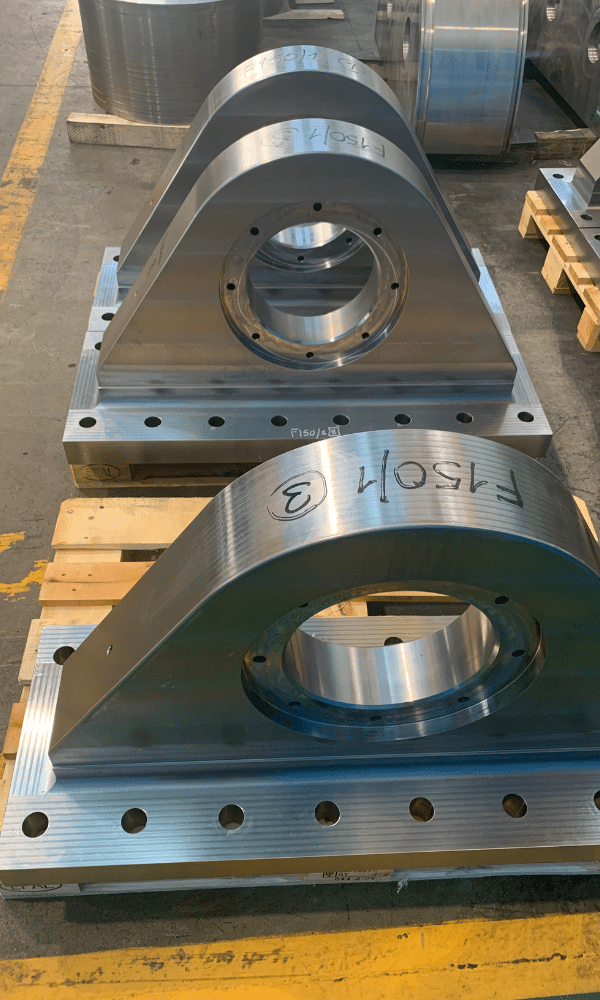
The bridge was designed by Hardesty & Hanover (H&H) and Roughan & O’Donovan, using hydraulic cylinders operating in pairs controlled by a closed loop hydraulic circuit to lift the bridge decks. Qualter Hall is the MEICA subcontractor responsible for the detail design, supply, installation and testing of the mechanical, hydraulic and electrical equipment associated with the operation and control of Herring Bridge.
Work undertaken by our team, and some of the equipment supplied is listed below:
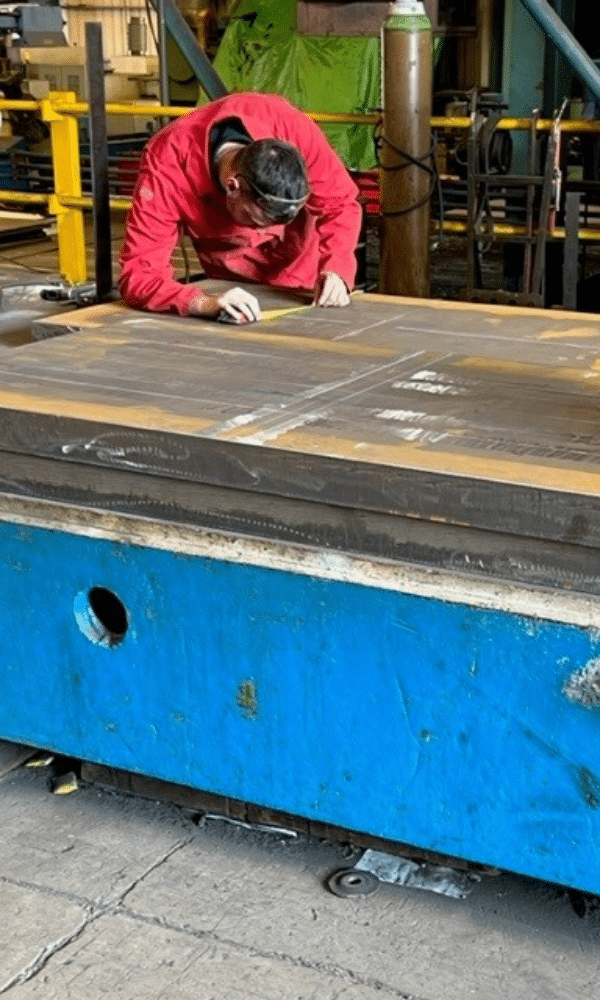
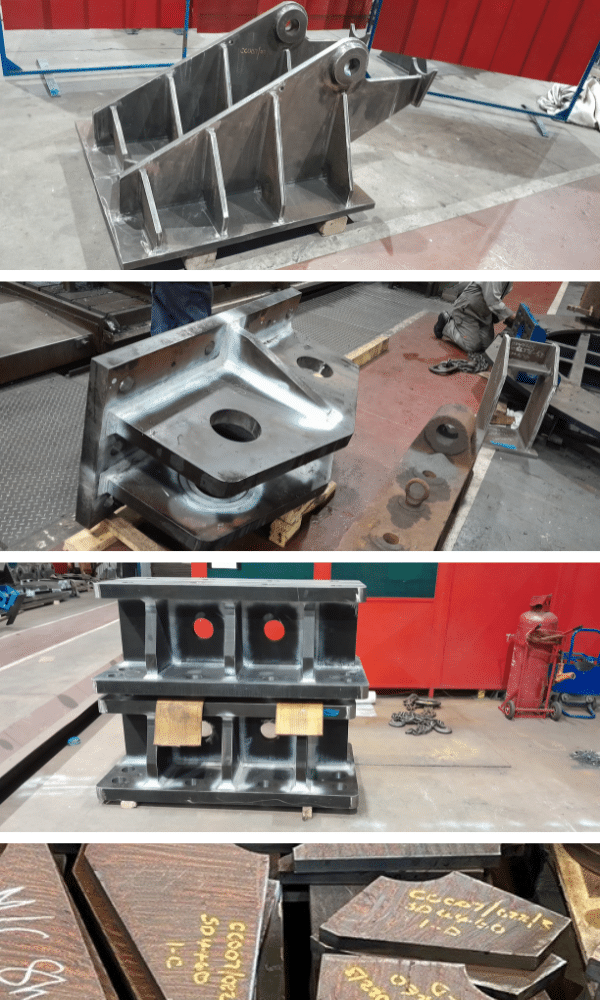
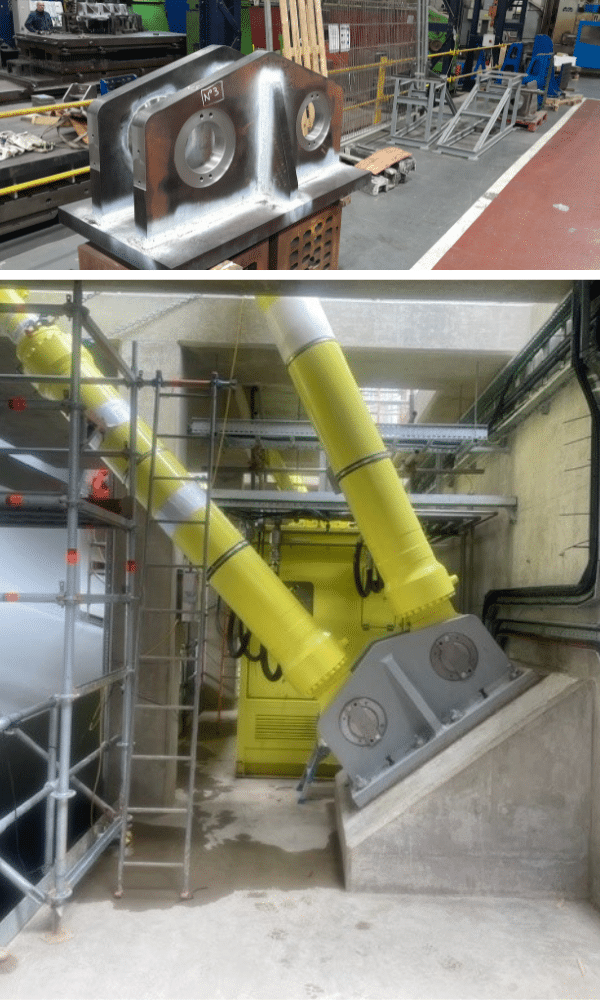
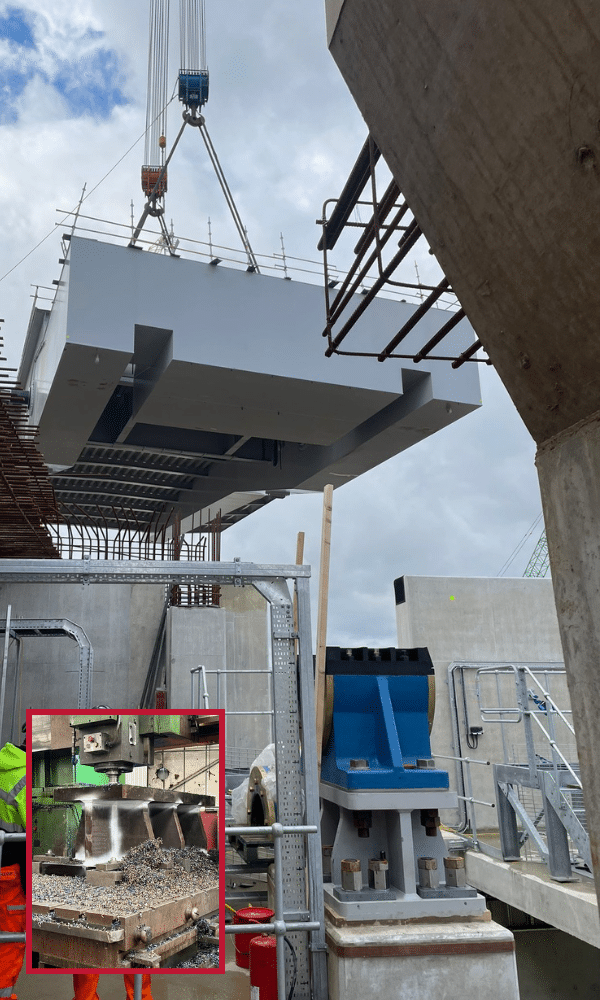
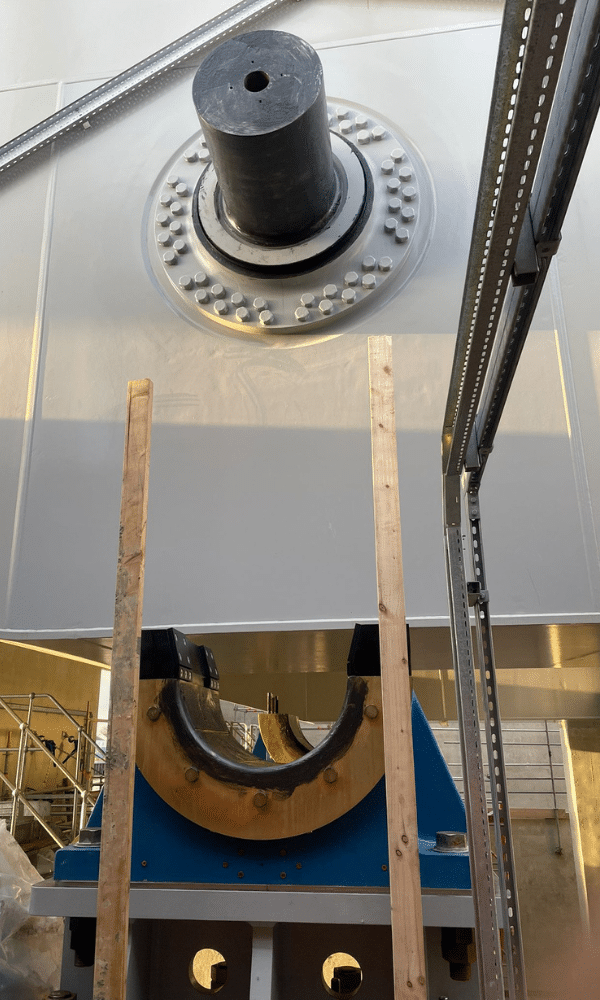
- Mechanical operating equipment including the trunnion shaft / bearings, cylinder brackets, live load shoes for supporting the structures and span lock mechanisms fitted at the nose end.
- Complex machining operations were carried out in our Soraluce CNC Machining centre.
- After completion of fabrication, components were shot blast and painted in our specialist works facilities including heat-controlled paint booths.
- Hydraulic power units, cylinders and interconnecting pipework / hoses.
- Electrical control panels, standby generators and cabling. Bespoke software programs were developed by our specialist in-house Controls team for the operation, control and fault-finding of the bridge control system.
- Qualter Hall’s Site Services engineers travelled to Victor Buyck Steel Construction in Belguim, the bridge fabricator’s workshop, to assemble the trunnion shaft, live load shoes and nose span locks. The electrical installation including internal lighting was also fitted by our team at this stage.
- The hydraulic power units, cylinders and electrical control panels were all individually factory acceptance tested at the manufacturer’s works prior to delivery to site.
- Our Site Services team were on site to install the MEICA equipment prior to delivery of the bridge, which was completed and fully tested after installation.
- Our Site Services team also delivered training to the client’s operators who are resident in the control tower adjacent to the bridge.
- Qualter Hall was awarded the bridge maintenance contract which runs for 3 years following commissioning, and includes 6 monthly mechanical, hydraulic and electrical equipment inspections.
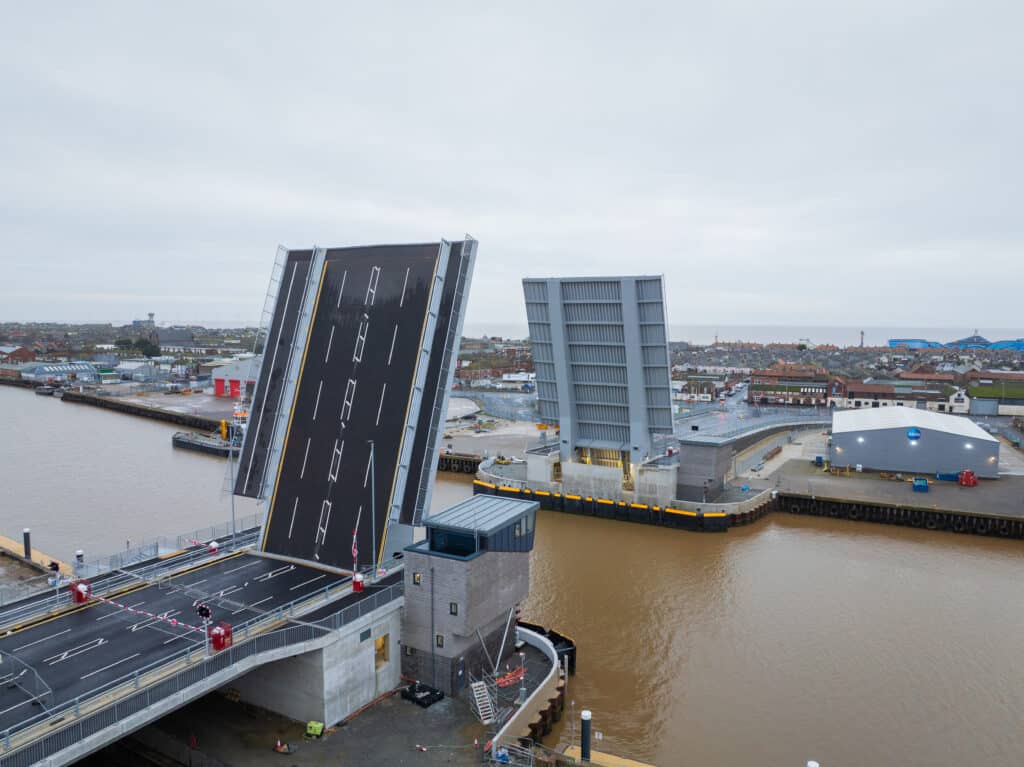
Herring Bridge’s moveable spans are each 25.2 meters wide and measure 68 meters between the trunnion bearing centres. The bridge carries the A47 dual carriageway across the River Yare, providing two lanes of traffic in each direction. This is complemented by designated pedestrian and cycle tracks.
Herring Bridge is powered by a closed-loop hydraulic drive system comprised of tandem pairs of hydraulic cylinders in a push-pull system. It takes 90 seconds to open and/or close, around 20 times daily. It is controlled via a programable logic controller-based system designed by Qualter Hall’s specialist in-house Controls team. Operators are stationed in a control building at the west abutment.
The Herring Bridge project has won multiple accolades including the 2024 Road Bridge Of The Year Award 2024 from New Civil Engineer, and 2024 Major Project at the Highway Awards.

Read more about Herring Bridge
BBC report on arrival of 2nd leaf by sea from Belgium:
ITV News report on the controlled explosion of a wartime bomb during the construction of Herring Bridge:
Norfolk County Council on how the Herring Bridge project provides employment and training opportunities for young people: